
Bringing home a new puppy is an exciting adventure—but without proper training, it can quickly turn into chaos! If you’re wondering how to train a new puppy the right way, you’re in the right place.
In this complete puppy training guide, we’ll cover everything from potty training and basic commands to socialization and preventing bad habits. Plus, if you ever face challenges like barking, chewing, or leash pulling, don’t miss Doggy Dan’s Canine Reactivity Webinar—an automatic online seminar that helps dog owners raise calm, obedient pups.
Getting Started: Puppy Training Basics
Before diving into commands and routines, set your puppy up for success with these essential training principles:
✅ Start Early – Puppies learn fastest between 8-16 weeks old.
✅ Use Positive Reinforcement – Reward good behavior with treats, praise, or playtime.
✅ Keep Sessions Short – 5-10 minutes, 2-3 times a day (puppies have short attention spans!).
✅ Be Consistent – Everyone in the household should follow the same rules.
Step-by-Step Puppy Training Plan
1. Potty Training 101
Goal: Teach your puppy where and when to go.
-
Take them out frequently (after meals, naps, and playtime).
-
Use a cue word like “Go potty” when they eliminate outside.
-
Reward immediately with treats and praise.
-
Avoid punishment for accidents—clean with an enzyme cleaner to remove odors.
2. Teaching Basic Commands
Start with these 5 essential commands:
-
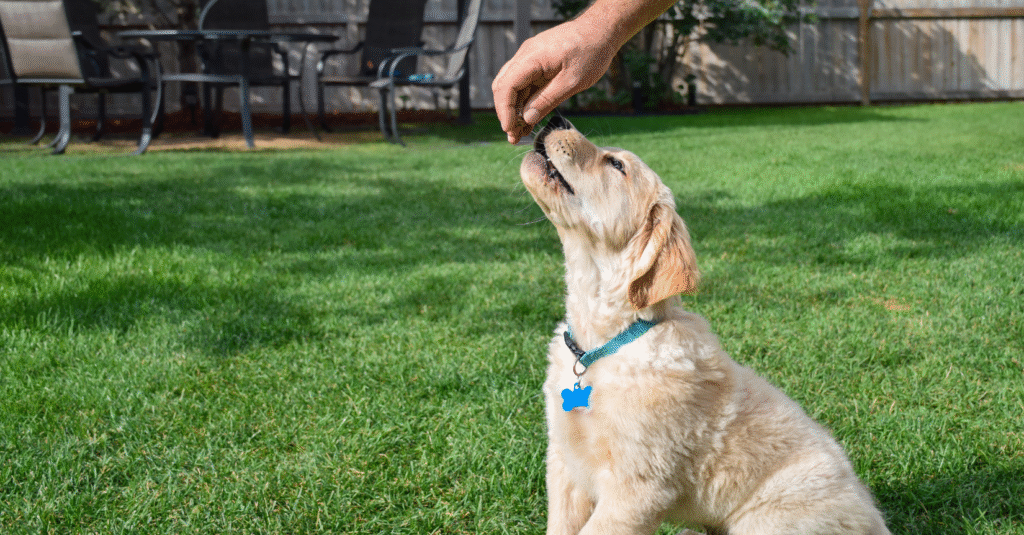
Sit – Hold a treat near their nose, move it up, and say “Sit.”
-
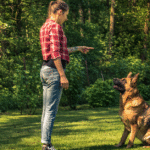
Stay – Have them sit, say “Stay,” take a step back, then reward.
-
Come – Use a happy voice and reward when they run to you.
-
Down – Lure them into a lying position with a treat.
-
Leave it – Cover a treat with your hand and say “Leave it” until they stop sniffing.
3. Crate Training (Without Stress)
A crate helps with potty training, safety, and travel.
-
Make it cozy (soft bed, toys, blanket with your scent).
-
Start slow – Feed meals inside, then gradually increase crate time.
-
Never use it as punishment—it should feel like a safe den.
4. Socialization: Preventing Fear & Aggression
Expose your puppy to new people, dogs, sounds, and environments in a positive way.
-
Invite friends over to meet them.
-
Take short trips to pet-friendly stores.
-
Play sounds (vacuum, traffic) at low volume to desensitize them.
5. Stopping Bad Habits (Chewing, Biting, Barking)
-
Chewing – Provide appropriate toys, redirect from furniture.
-
Biting – Yelp “Ouch!” and stop playtime to teach bite inhibition.
-
Barking – Ignore demand barking, reward quiet behavior.
Struggling with Puppy Challenges? Doggy Dan’s Webinar Can Help!
Training a puppy isn’t always easy—especially if they develop reactivity, fear, or stubborn behaviors. If you’re feeling overwhelmed, Doggy Dan’s Canine Reactivity Webinar is a game-changer.
🌟 What You’ll Learn:
✔ How to stop leash pulling and jumping.
✔ Calm an overexcited or anxious puppy.
✔ Fix barking, aggression, and fearfulness.
✔ Step-by-step video lessons (watch anytime!).
👉 Click Here to Join Doggy Dan’s Webinar Now!
Final Tips for Raising a Happy, Well-Trained Puppy
-
Patience is key – Puppies make mistakes, but consistency works!
-
Make training fun – Use games and high-value treats (like chicken or cheese).
-
Exercise daily – A tired puppy is a well-behaved puppy.
-
Stay positive – Never yell or punish; training should build trust.
Need Extra Help? Try Doggy Dan’s Proven Methods!
If you want expert guidance on raising a calm, obedient dog, don’t miss Doggy Dan’s Canine Reactivity Webinar. It’s the easiest way to fix common puppy problems—without frustration!
🚀 Sign Up for the Webinar Here!
What’s your biggest puppy training challenge? Share in the comments below! 🐾